Explore Essential Safe Trailering Tips - Safe Towing Blog
Safe Towing Blog
To improve the safety of the nation’s roadways by raising trailer safety awareness through education of end-users, dealers, and manufacturers on safe trailering practices.
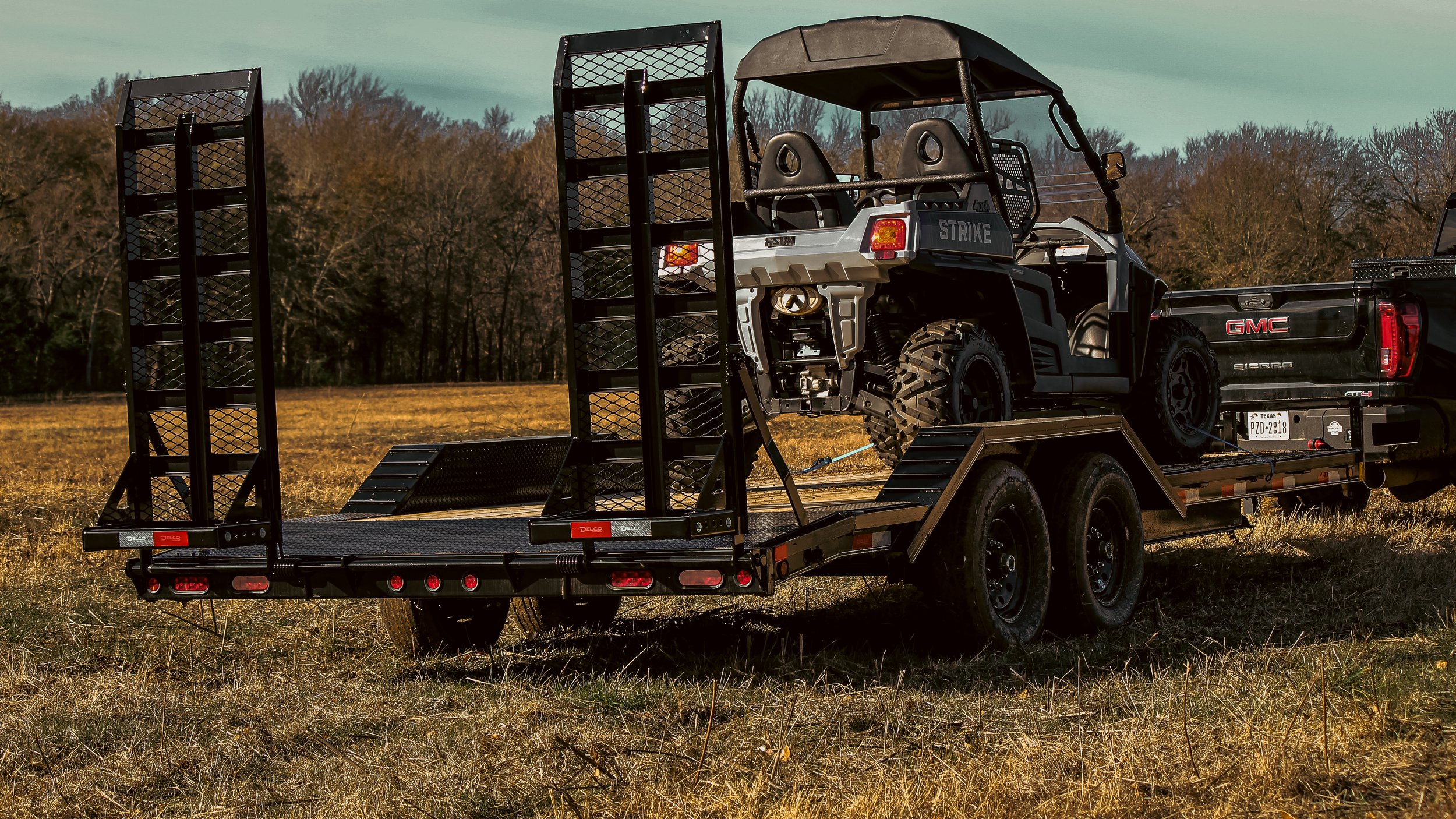
This guide details the need-to-know information for end-users. Have a question about trailering? We've got you covered.
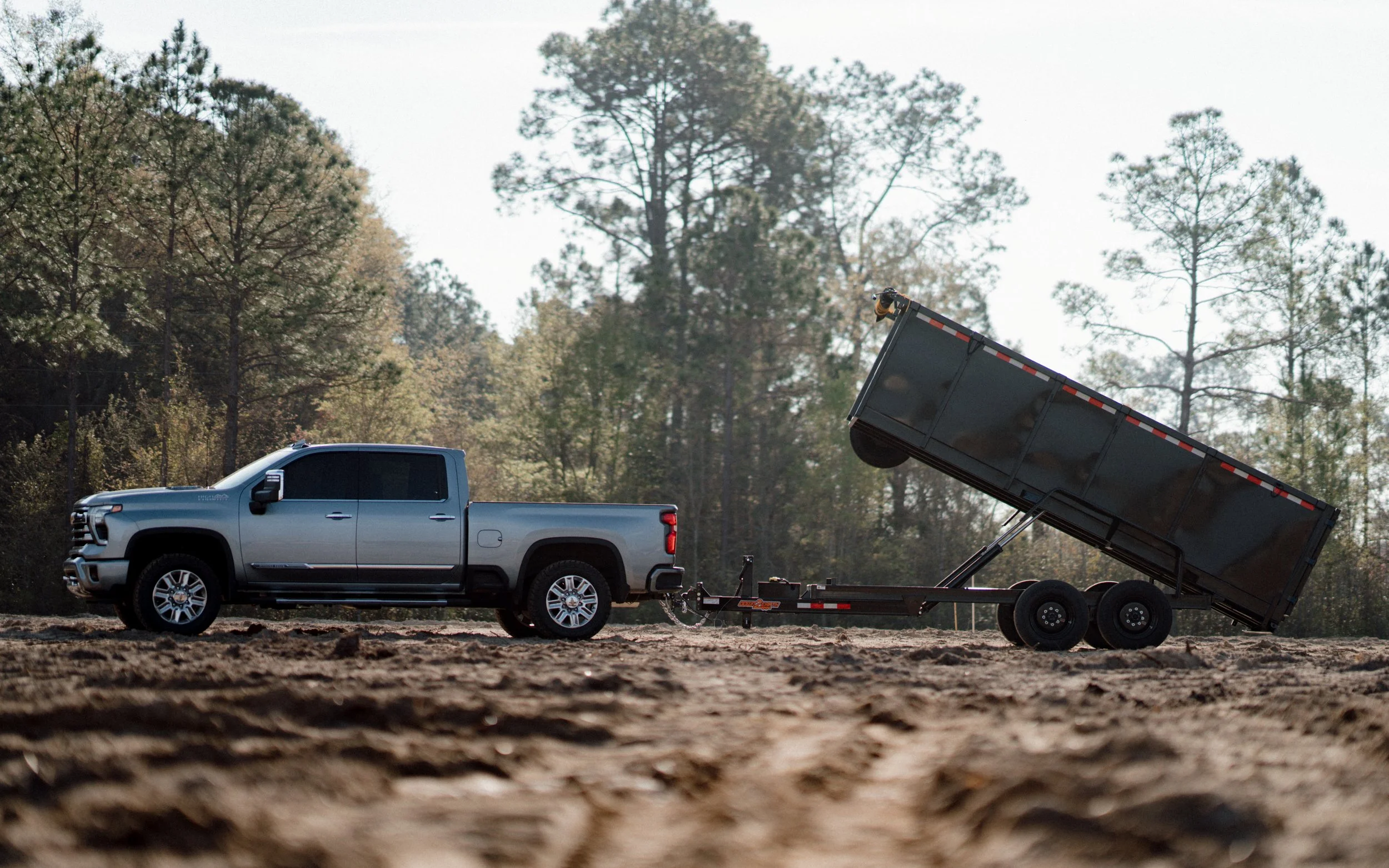
Improving trailer safety takes the collective effort of industry partners, agencies, and end-users. Through Trailer Safety Week (June 7-13, 2026), a nationwide marketing campaign of printed and online resources to trailer manufacturers, dealers, traffic safety professionals, and endorsers across the nation, there are options for everyone to get involved.
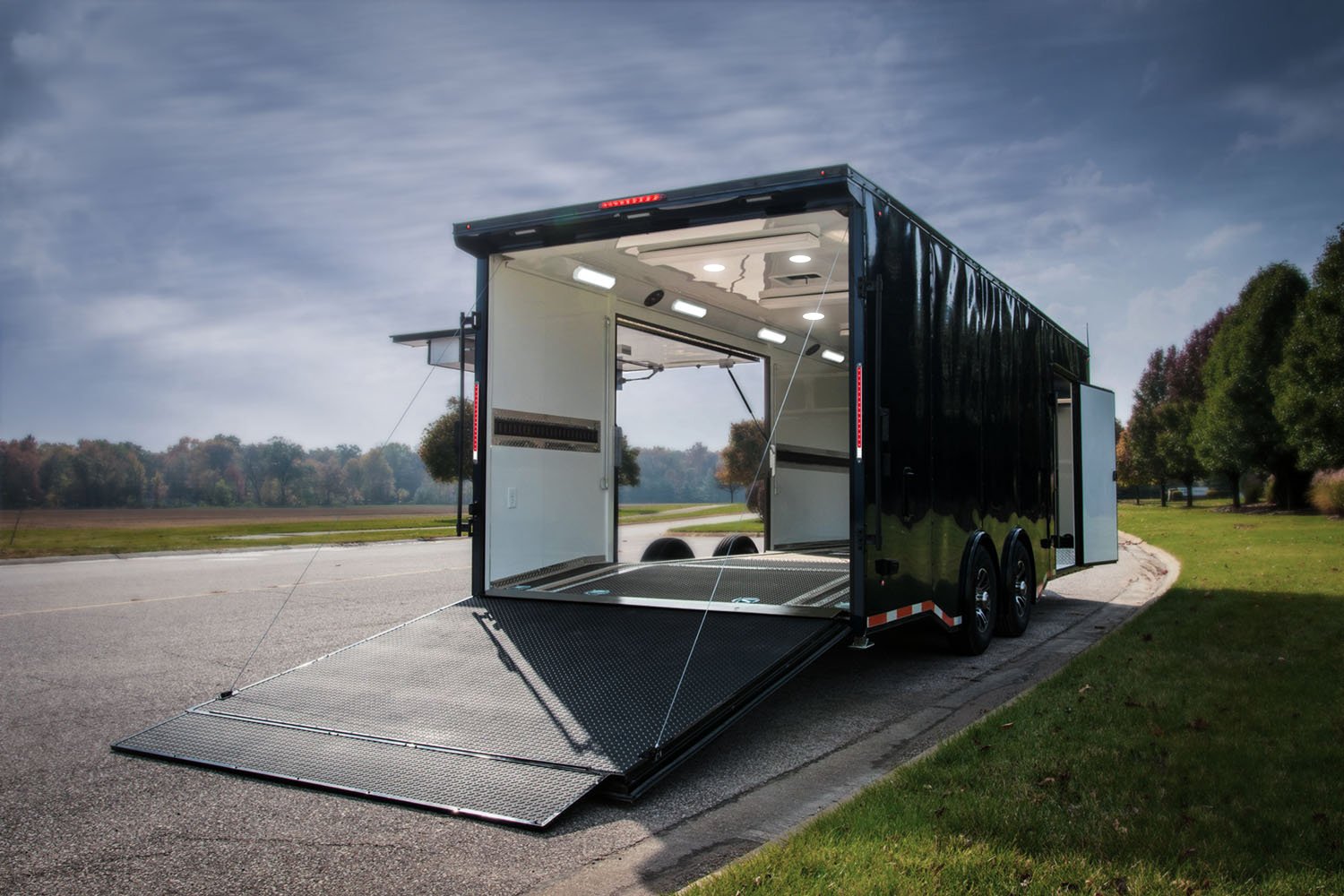
Explore In-Depth Insights on Popular Trailering Topics. Delve into the most sought-after trailering subjects on the official Towing Safely Blog.
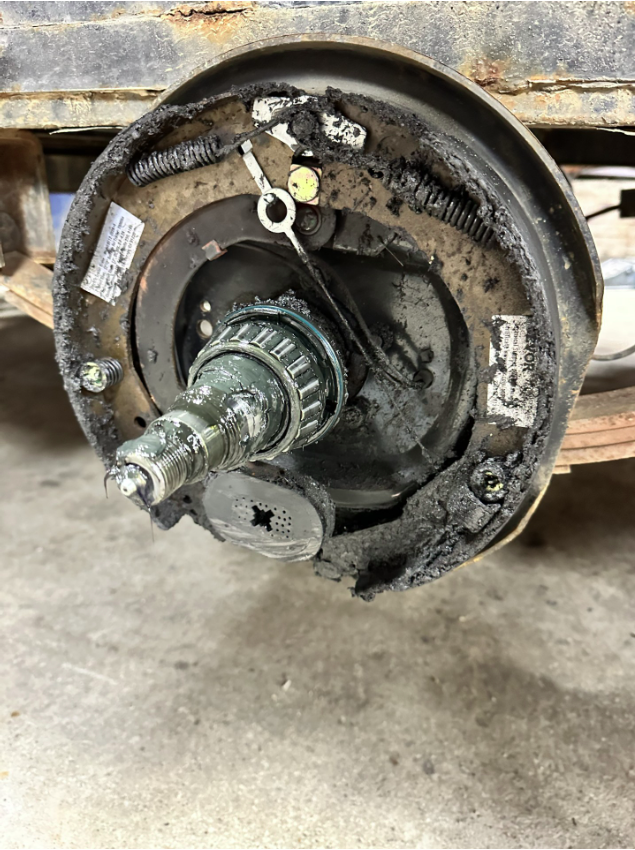
Wheel bearings sit inside the hub and allow your trailer wheels to spin freely on the axle. Their job is simple but essential. They reduce friction, carry the weight of the trailer, and keep everything moving smoothly mile after mile.
Every time you tow—whether it’s a quick trip across town or a long haul down the highway—your bearings are working constantly. They handle load, heat, and road vibration all at once. And unlike other components, bearings typically won’t show signs of a problem until it has already progressed.
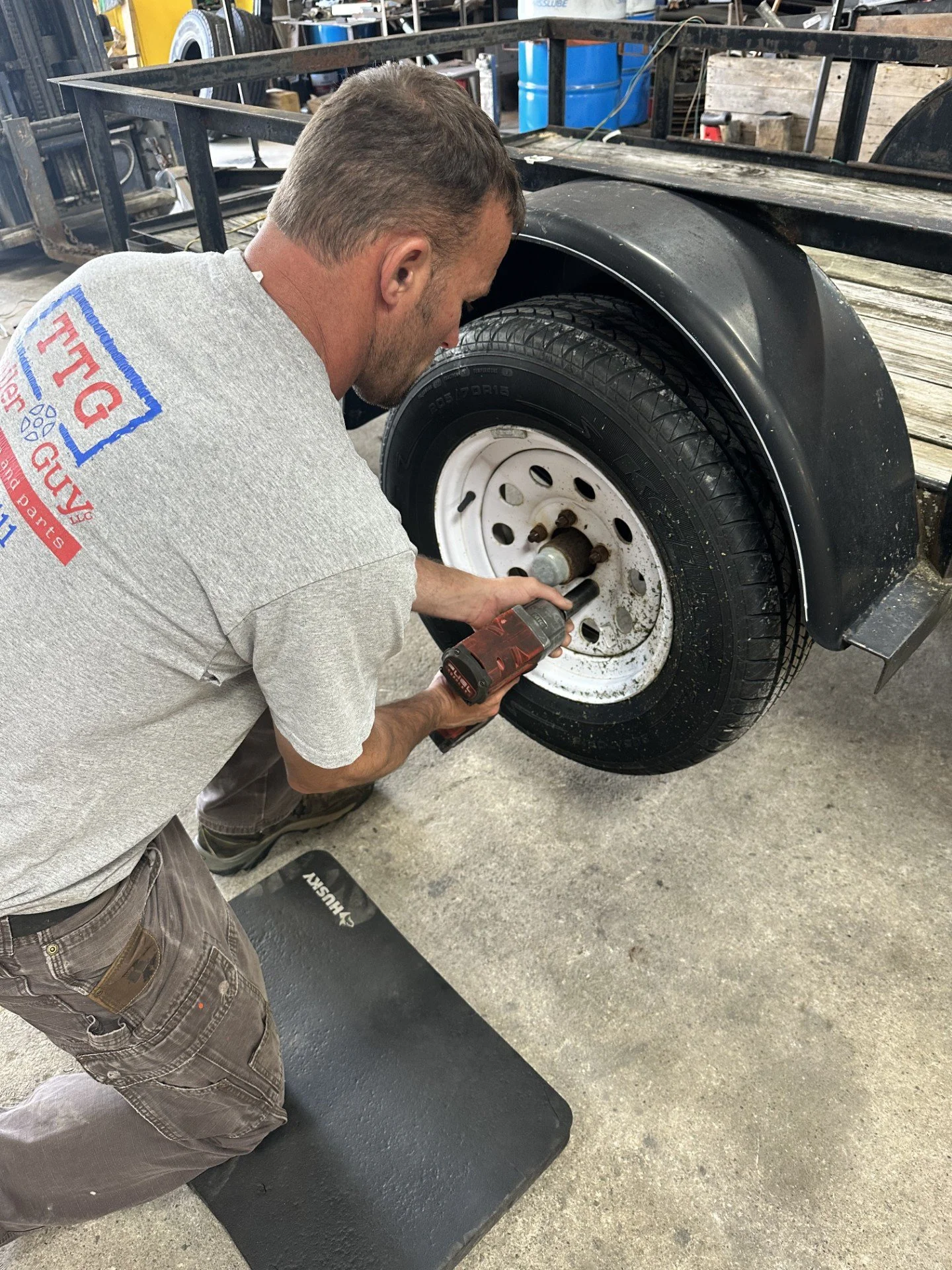
Regular wheel bearing maintenance is one of the most important things a trailer owner can do to help prevent breakdowns, reduce wear, and support safer towing. Bearings allow the wheel hub to rotate smoothly on the spindle. Over time, grease can break down, become contaminated, or wash out, especially if the trailer sees heavy use, makes long trips, or is exposed to moisture. That is why routine bearing service matters. Many manufacturers recommend servicing trailer bearings about once a year or every 12,000 miles, but always check your owner’s manual for the interval, grease type, and torque specifications that apply to your trailer.

Test your towing readiness with our Trailer Safety Week quiz. Ensure safe and proper trailer operation before hitting the road.

Calculate safe towing capacities for your vehicle and trailer with our comprehensive Tow Rating Calculator. Ensure safety by verifying vehicle and trailer limits before towing.

The brochure is based on the National Highway Traffic Safety Administration’s consumer safety information. It provides general guidance, tips, and necessary information about important factors to consider and equipment needed to improve the safety of towing trailers.
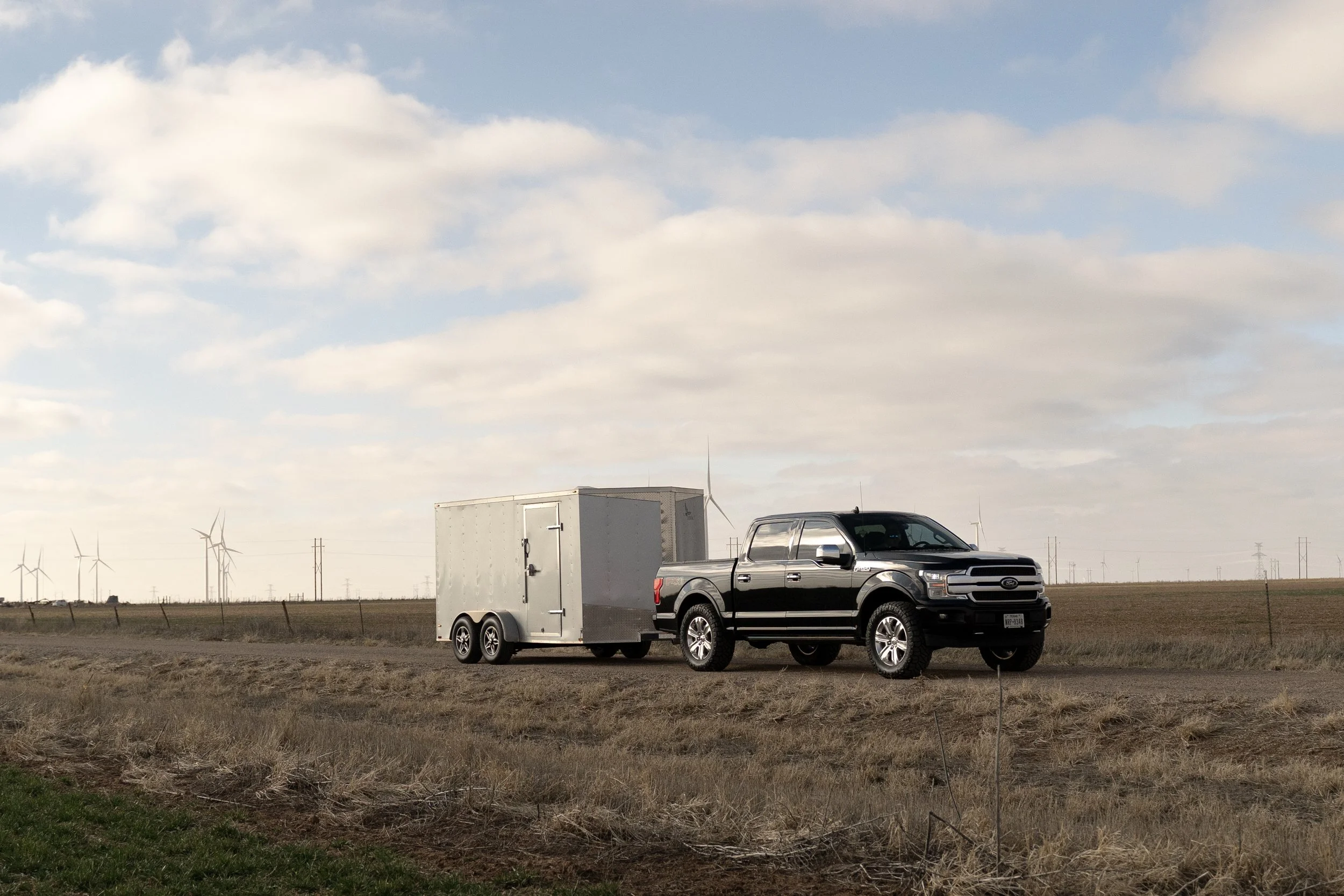
Just because a truck can pull a trailer doesn't mean it's the right match. Understanding how to properly pair a tow vehicle with a trailer is essential for safe towing, yet important factors like payload capacity, tongue weight, and hitch selection are often overlooked.
Just because a truck can pull a trailer doesn't necessarily mean it's the right match. And when a trailer and tow vehicle aren't properly paired, the consequences can extend far beyond the driver, potentially putting passengers and others sharing the roadway at risk.